
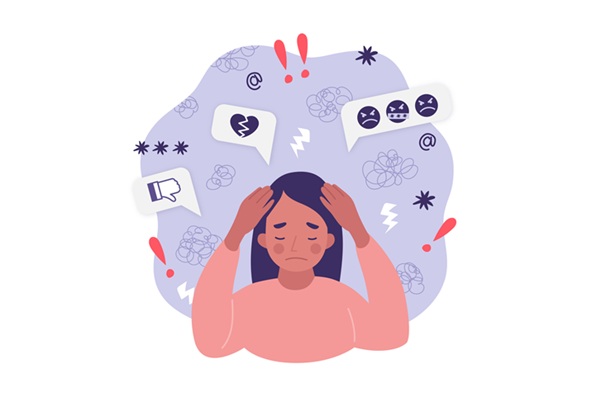
All of us have had screw-ups in our lives. Some are big ones like infidelity, past crimes, and broken promises. Others are smaller, like forgetting something, responding poorly, or hurting someone’s feelings. And all of us have an internal emotional regulator that tells us when we've messed up…guilt.
Academic researchers believe that guilt may have evolved in humans (at least partly) to help maintain and repair social bonds. This makes sense; if no one cared about hurting others, cooperative groups wouldn’t stay together for long. (And if early humans didn’t stick together, then they were individually… eaten by lions.)
Guilt gives us a bad feeling that says: “Time to fix this.” The desire to resolve that bad feeling motivates us to make an apology, repair a relationship, or learn an important lesson.
But… there is a difference between allowing a feeling of guilt to motivate action and wallowing in excessive self-punishment and ruminating. Sometimes, guilt can become tangled up with excessive self-criticism, and that's where we encounter its emo, doom-scrolling twin brother… shame. Guilt says: “I did something bad.” Shame says: “I am a bad person.”
Research shows that guilt tends to promote constructive outcomes, but shame can lead to emotional and social withdrawal. It is also associated with depression and anxiety, and it just generally does not solve problems.
For men in particular, shame can be especially difficult when mistakes clash with expectations that they should always be strong, capable, or in control. A mistake can start to feel like evidence that they've failed as a man, rather than simply done something wrong.
So, how can we make sure that guilt doesn’t lead to shame?
- Take accountability: Take time to fully understand what you have done wrong, how it has impacted yourself or others, and resolve to fix things if possible. (This means making apologies and taking corrective actions.) If it feels scary, then ask a trusted person to support you in doing this. (Having a second brain look at the situation can help a lot.)
- Be vigilant about your internal story: Notice if the corrective voice in your head (the one that says: “I screwed up”) becomes a judgmental one (“I am a bad person”).
- Pause and reframe: If you notice the judgmental voice, praise yourself for catching it (no extra judgments for judging!). Then pause, and reinterpret the situation as a mistake, not a reflection of you as a whole human.
Here's an example:
“Oh no, I forgot my mom’s birthday… I always let others down. I’m a bad son.”
Pause: “Hang on. I'm being pretty hard on myself here.”
Reframe: “I forgot something important and I feel bad about it. But I was also really sick last week. I'll call Mom, apologize, and make a plan to celebrate with her. Next time, I'll remember to use my calendar more.”
And what if you do all that, and still have guilt or shame that just won’t quit? That’s where seeing a qualified therapist can be helpful. A therapist can help you identify unhelpful thinking patterns and get back on a healthy track.
Walmsley’s Employee & Family Assistance Plan (EFAP) is available to employees and their families for just this kind of support. Call today to set up an appointment.