
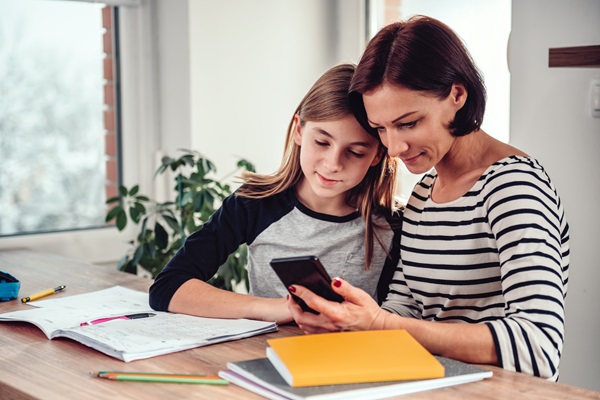
Being a parent is never simple, straightforward, or easy, especially in the age of social media. It is estimated that approximately 95% of teens aged 13-17 use at least one social media app, and most spend the majority of their free time online. Social media becomes the basis for their communication, socializing, recreation, and in many cases, learning. While it is easy to demonize this excessive usage, it is unwise to dismiss it entirely. Like many things in life, there are advantages and disadvantages to social media, and it is worth looking at both sides in order to gain a fuller picture and a more complete understanding of what it is for.
The double-edged sword of social media is one that many contend with. On the positive side, many teens say that they feel more connected with their peers and communities through it. They also see it is a place to express creativity or find others with the same interests, hobbies, or passions, no matter how niche they are. This is especially true of those living in smaller, more remote communities who may not have access to a variety of in person groups. An argument can be made that social media is a lifeline for teens that feel marginalized or different; they can find a group that identifies with their struggles, offers support, and accepts them for who they are. Teens also get help for their mental health online, and there is a whole world of information available to them to learn about. This is, however, where it can get difficult, since not everyone on social media is a trained mental health professional, and some social media literacy and awareness can go a long way. There are other aspects of social media consumption that can be detrimental as well.
There is an addictive nature to a constantly tailored social media feed showing you exactly what you want to see. Additionally, what is seen on there is rarely reflective of reality, even though it seems like it is. The discrepancy between what is seen online versus reality can cause anxiety, depression, loss of sleep, and decreased self-confidence. This is why it is so important to talk about these differences with them, highlighting the differences between what they see onscreen verses real life. Here are some ways to support teenagers with their social media use in a healthy, balanced way:
- Have open conversations with them, free of judgment.
- Be collaborative with boundaries and create expectations of device usage together.
- Teach critical thinking: how to question what they are seeing, and how the algorithm feeds them content.
- Ensure that their online time is balanced by offline time: volunteering, sports, board game nights, whatever works.
Talking to teens about social media is not about controlling them or what they do online, it is about ensuring that they have adequate knowledge about what they are seeing and how they react to it. Social media is not fundamentally good or bad, it is a tool that, when used in a healthy way, can really open up someone’s world and allow them to feel part of something bigger than themselves. The other side of that coin is overuse, misunderstanding, and naiveté. Learning about healthy and responsible social media use is a journey that can be done together, and the lessons are applicable no matter your age.
Robert Baker, RCC